
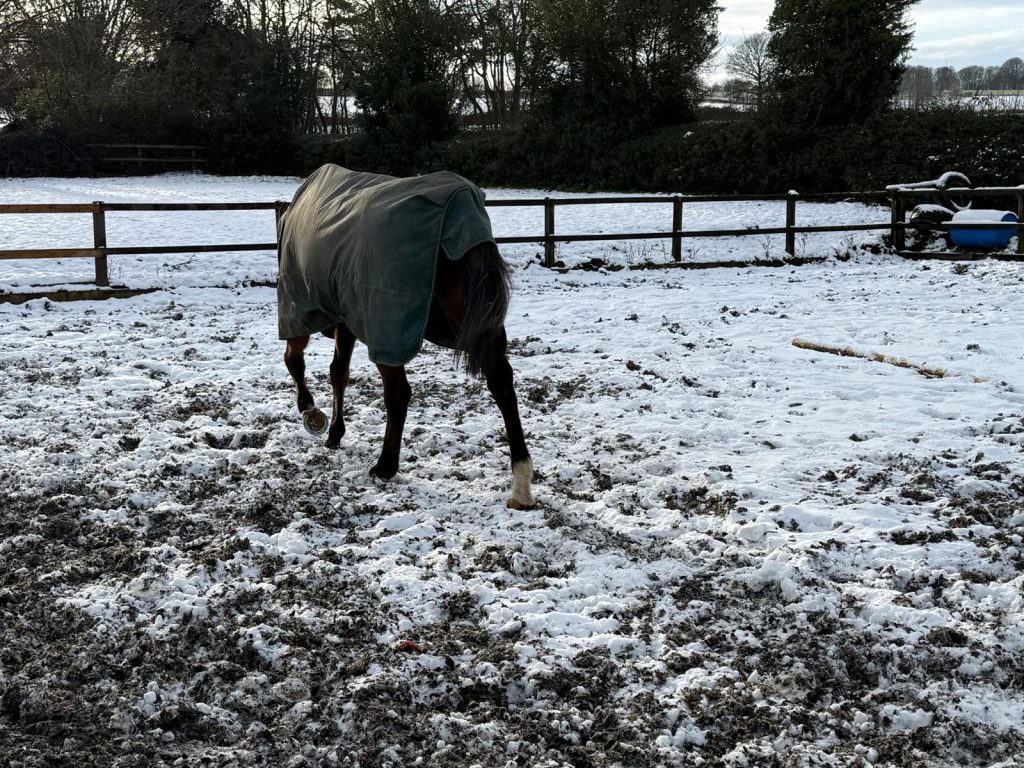
Winter is one of the toughest tests for any riding arena. As temperatures drop, many yard owners find their surface turning hard, slippery or completely unusable. A frozen horse arena isn’t just inconvenient — it disrupts training schedules, increases injury risk and creates costly downtime.
Understanding why arenas freeze is key to effective arena freezing prevention, and the answer often lies in surface structure.
Why Traditional Arenas Freeze
Most sand or woodchip arenas hold moisture between particles. When temperatures fall below zero, this trapped water turns to ice, binding the surface together into a solid layer. Sand becomes compacted and rigid, while woodchip locks and loses its cushioning. Even rubber surfaces can stiffen when moisture settles beneath them.
Once frozen, the arena loses shock absorption and grip, making it unsafe to ride.
How Fibre Stops the Freeze
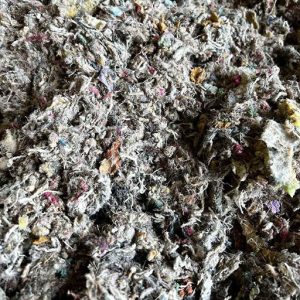
Fibre surfaces behave differently. Carpet fibre creates air pockets throughout the top layer, reducing water retention and preventing moisture from binding tightly between particles. Instead of forming a solid frozen crust, the surface remains loose, insulated and rideable.
This is why fibre arena winter performance is far superior to sand or woodchip, offering a genuine all weather riding surface even in sub-zero conditions.
The Practical Benefit
A fibre-based arena doesn’t just thaw quicker — it often doesn’t freeze at all. Horses continue working safely, training stays consistent, and yards avoid the lost time and resurfacing costs associated with winter damage.
For riders dealing with repeated winter closures, switching to fibre is one of the most effective long-term winter horse arena tips available.
