
Riding Arena Surface Comparisons
Choosing an arena surface can feel overwhelming. Fibre, sand and rubber are all widely used, yet each behaves very differently once installed and ridden on.
Rather than promoting a single “best” option, this page compares the most common arena surfaces based on how they perform in real-world conditions — helping you decide what suits your horses, your discipline and how you expect the arena to be used.
Why Arena Surface Comparisons Are Rarely Straightforward
No arena surface performs in isolation. Ride quality depends on how surface materials interact with the base, drainage, depth, maintenance routine and workload.
A surface that works exceptionally well in one arena may feel completely wrong in another. This is why meaningful comparisons focus on strengths, limitations and context, rather than searching for a universal solution.
Understanding these trade-offs is far more useful than relying on surface labels alone.
Silica Sand vs Fibre Arena Surfaces
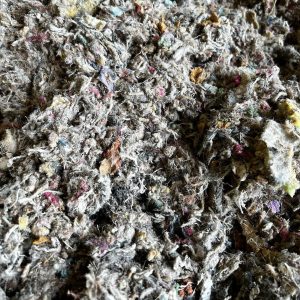
Fibre Surfaces
Added Stability and Structure
Fibre surfaces are designed to bind sand particles together, reducing movement and improving overall stability. This creates a more consistent, supportive riding surface with less deep going.
Rather than replacing the base material, fibre enhances how the surface behaves under load.
Best suited to:
- Dressage and flatwork
- Jumping arenas & Gallops
- Arenas with frequent or professional use
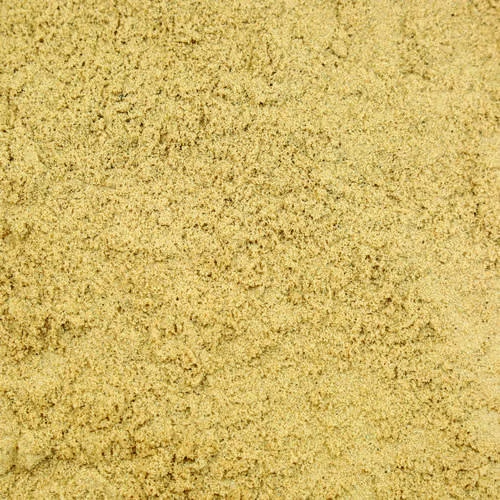
Silica Sand
The Foundation Material
Silica sand is widely used as a base riding surface due to its drainage properties and consistent particle grading. When correctly specified, it provides a predictable and stable foundation.
Used on its own, silica sand can feel firm and may become loose or deep over time under heavier use.
Best suited to:
- Light to moderate use arenas
- As a base layer beneath fibre
- Situations where simplicity is preferred
Fibre vs Rubber Arena Surfaces
Fibre Surfaces
Added Stability and Structure
Both fibre and rubber are used to improve arena performance, but they address different priorities and fibre is so much more versatile..
Fibre surfaces:
• Increase structure and stability
• Reduce surface movement
• Support precision and consistency
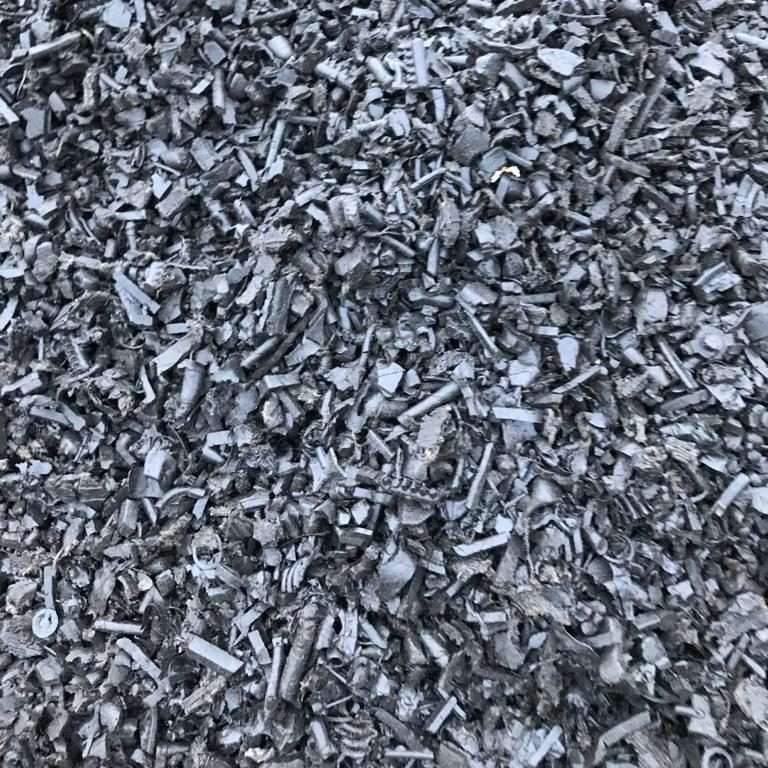
Rubber Chip
Good cushioning
Rubber chip is often used to soften tired arenas or reduce impact, while fibre is typically chosen where control, stability and consistency are the priority.
Rubber surfaces:
• Increase cushioning and shock absorption
• Remain flexible in cold conditions
• Work well as top-up or comfort layers
Maintenance Differences Between Surface Types
Maintenance requirements vary significantly and should form part of any surface comparison.
Always bear in mind:
- Sand-only surfaces may require more frequent levelling
- Fibre-reinforced surfaces typically need light rolling and minimal intervention
- Rubber surfaces are usually very low maintenance
Understanding maintenance expectations early helps prevent frustration and unexpected costs later.
Cost vs Value — A Common Misunderstanding
When comparing arena surfaces, upfront cost is often given more weight than long-term value.
Lower-cost surfaces may:
- Require more maintenance
- Degrade faster
- Need earlier replacement
Higher-quality surfaces often deliver better value over time through consistency, longevity and reduced downtime. For a broader view, see our Arena Costs guide.
Equestrian Surface Solutions
Let’s Find the Right Surface for You
If you’d like guidance on the best footing for your arena, we’re always happy to help.