
A fibre blend arena surface is defined as washed silica sand mixed with synthetic fibres, typically polypropylene or nylon, to create stable, consistent footing for horses and riders. The fibres bind sand particles together, preventing the loose, shifting movement that causes “digging out” in corners and take-off zones. This combination delivers improved grip, reduced dust, better moisture retention, and cushioning that pure sand cannot match. Understanding the fibre blend arena surface explained in full means knowing the right composition ratios, maintenance demands, and discipline-specific considerations that determine whether a surface performs or fails.
What does a fibre blend arena surface contain?
High-quality fibre blend surfaces use washed silica sand mixed with 5%–10% synthetic fibres by volume. That ratio is the industry benchmark. Go below 5% and the fibres offer little structural benefit. Exceed 10% and the surface becomes spongy, which increases tendon strain and fatigue in horses.
The most common fibres are polypropylene, nylon, and recycled textile. Polypropylene is lightweight, resistant to moisture, and widely used in UK arenas. Nylon offers greater tensile strength and suits high-traffic competition venues. Recycled textile fibres, sourced from carpet or fabric waste, provide a lower-cost option but vary more in consistency and longevity.
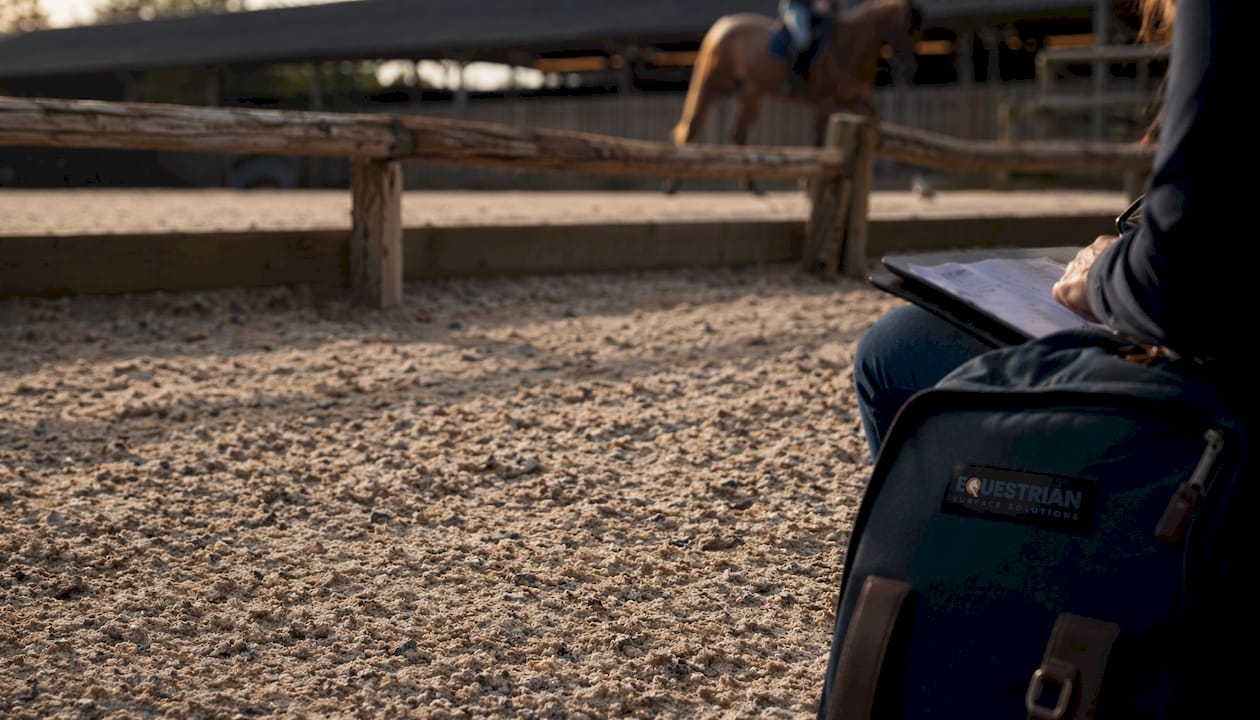
Sand quality is equally critical. The base must be premium washed silica sand with rounded or sub-angular grains. Angular grains compact too tightly and reduce drainage. Dusty or contaminated sand undermines the fibre system entirely, regardless of fibre quality.
| Fibre type | Key property | Best use |
|---|---|---|
| Polypropylene | Moisture resistant, lightweight | General training arenas |
| Nylon | High tensile strength | Competition and high-traffic arenas |
| Recycled textile | Lower cost, variable quality | Budget builds, light use |
| Waxed fibre blend | Consistent year-round feel | All-weather outdoor arenas |
Pro Tip: Ask your supplier for a fibre distribution test before accepting a delivery. Uneven fibre lengths or clumped fibres are a sign of poor manufacturing and will cause hard spots once laid.
How do fibre blends improve performance and horse welfare?
Fibre blends reduce “digging out” in corners and takeoff zones, which is the single most common complaint about pure sand arenas. The fibres act as a mesh within the sand, locking particles in place under load and releasing them gradually. This gives horses a predictable surface to push off from, which reduces the risk of slipping and overreaching.
The performance benefits extend across disciplines:
- Dressage: Consistent, firm footing supports collected work and lateral movements without the surface shifting underfoot.
- Jumping: Stable takeoff and landing zones reduce the risk of slipping on approach and absorb impact on landing.
- Eventing training: The cushioning effect reduces concussive loading on joints during repetitive schooling sessions.
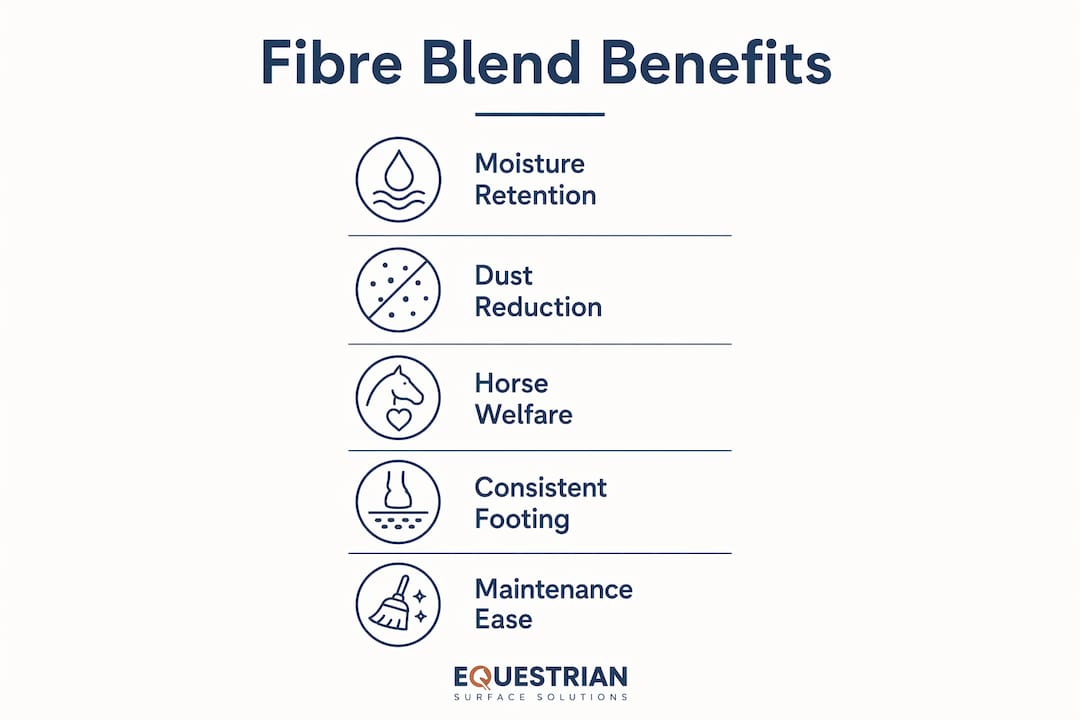
Sand and fibre blends retain moisture better than pure sand, which directly reduces airborne dust in indoor schools. Dust suppression matters for both respiratory health in horses and rider comfort during long training sessions. Waxed fibre variants go further, providing a more consistent surface feel across wet and dry conditions, though they carry a higher price point and require more careful maintenance.
Expert opinion notes that some collected dressage riders prefer the looser feel of pure sand for certain movements. This reflects the broader truth that surface preference varies by rider, horse, and training intensity. A fibre blend is not universally superior for every use case, but it is the most consistent performer across mixed disciplines and varying weather.
What maintenance does a fibre blend arena need?
Correct maintenance is what separates a fibre blend surface that lasts a decade from one that degrades in three years. Fibre blend surfaces typically last 7–10 years with proper upkeep, compared to 3–5 years for plain sand. That lifespan advantage disappears without a consistent maintenance routine.
Follow these steps to protect your investment:
- Harrow regularly. Drag the surface at least three times per week under normal use. This redistributes fibres and prevents compaction in high-traffic zones.
- Manage moisture actively. Water the surface before heavy use to maintain the correct moisture level. Dry surfaces lose fibre cohesion; waterlogged surfaces compact and drain poorly.
- Inspect fibre distribution monthly. Look for patches where fibres have migrated to the edges or clumped together. Redistribute manually or with a specialist harrow attachment.
- Top up fibres every 3–7 years. Fibres degrade through UV exposure, mechanical wear, and repeated harrowing. A planned fibre top-up restores surface performance without a full rebuild.
- Protect waxed surfaces from frost. In the UK, waxed fibre surfaces are vulnerable to freeze-thaw cycles. Waxed surfaces require frost protection and specific grooming methods to prevent the wax bond breaking down over winter.
Pro Tip: Never use a rotary tiller on a waxed fibre surface. It destroys the wax coating and breaks fibre strands, causing irreversible surface damage. Use a purpose-built arena harrow instead.
Uneven fibre mixing during installation or maintenance creates hard spots that tire horses and degrade performance. Uniform distribution is not optional. It is the foundation of everything a fibre blend surface is designed to deliver.
How to choose the right fibre blend for your arena
The right surface depends on three factors: your discipline, your budget, and the UK climate conditions your arena faces. Arena footing for all disciplines varies significantly in specification, and a competition venue has different demands from a private training school.
| Surface type | Lifespan | Relative cost | Best for |
|---|---|---|---|
| Pure silica sand | 3–5 years | Low | Light use, budget builds |
| Sand and fibre blend | 7–10 years | Medium | Mixed disciplines, training |
| Waxed fibre blend | 7–10 years | Medium-high | All-weather, competition use |
| Premium engineered blend | 7–10 years | High | Elite competition arenas |
Key decision factors for UK arena managers:
- Freeze-thaw risk: Outdoor arenas in northern England and Scotland face harder winters. A non-waxed fibre blend handles frost better than a waxed surface and requires less seasonal management.
- Training versus competition: Competition arena specifications demand tighter tolerances on fibre percentage and sand grading. A training arena can tolerate a slightly broader specification.
- Budget and lifespan: Fibre blends cost more upfront than plain sand but deliver a longer usable life. The standalone fibre surface option offers fibre performance at a lower installed cost than premium engineered blends, making it a practical choice for private owners.
Surface preference also varies between riders. A surface that suits a dressage trainer may frustrate a jumping coach. Consulting a specialist before specifying materials avoids costly rebuilds.
Key takeaways
A fibre blend arena surface delivers consistent, safe footing by combining washed silica sand with 5%–10% synthetic fibres, and its performance depends entirely on correct composition, installation, and ongoing maintenance.
| Point | Details |
|---|---|
| Fibre content by volume | Use 5%–10% synthetic fibres by volume for stable, consistent footing. |
| Sand quality matters | Washed silica sand with rounded grains is the correct base for any fibre blend. |
| Lifespan advantage | Fibre blends last 7–10 years versus 3–5 years for plain sand with proper maintenance. |
| Maintenance is non-negotiable | Regular harrowing, moisture management, and fibre top-ups preserve surface performance. |
| Discipline fit varies | Competition arenas need tighter specifications than training schools; consult a specialist. |
What I’ve learned from watching fibre blend arenas fail and succeed
The most common mistake I see is treating a fibre blend surface as a “fit and forget” solution. Owners invest in quality materials, get a good installation, and then harrow infrequently or skip moisture management through winter. Within two years, the fibres migrate to the edges, the centre compacts, and the surface behaves like poor-quality sand. The fibre investment is wasted entirely.
The second thing I’ve noticed is that waxed surfaces are oversold to UK outdoor arena owners. Waxed fibre blends are excellent in controlled conditions, but the UK’s freeze-thaw cycles are genuinely punishing. I’ve seen waxed surfaces crack and lose cohesion after a single hard frost because the owner did not apply frost protection in time. A non-waxed fibre blend is often the more practical choice for exposed outdoor arenas in the UK, even if the waxed option looks more appealing on paper.
The trend I find genuinely interesting is the move towards plastic-free or reduced-plastic fibre options. Some arena managers are asking for recycled natural fibre alternatives as part of broader sustainability commitments. The performance data on these materials is still developing, but the direction of travel is clear. Equestrian Surface Solutions is already fielding these questions regularly, which tells me the market is shifting.
— Stacey
Professional fibre blend surfaces from Equestrian Surface Solutions
Equestrian Surface Solutions supplies professional-grade fibre blend arena surfaces and self-build kits to equestrians and arena managers across the UK. Whether you are specifying a new competition arena or refreshing an existing training surface, the right materials and correct installation method make the difference between a surface that performs for a decade and one that fails in three years.
From premium washed silica sand to specialist fibre additives and complete surface packages, Equestrian Surface Solutions provides the materials and expert guidance to get your specification right from the start. Request a personalised surface quote and get tailored advice on fibre percentage, sand grading, and surface preparation for your specific discipline and climate conditions.
FAQ
What is a fibre blend arena surface?
A fibre blend arena surface is washed silica sand mixed with 5%–10% synthetic fibres by volume, such as polypropylene or nylon, to create stable, consistent footing for horses.
How long does a fibre blend surface last?
A fibre blend surface lasts 7–10 years with regular harrowing, moisture management, and periodic fibre top-ups, compared to 3–5 years for plain sand.
What maintenance does a fibre blend arena need?
Harrow at least three times per week, manage moisture actively, and plan a fibre top-up every 3–7 years to maintain surface consistency and performance.
Are fibre blends suitable for all equestrian disciplines?
Fibre blends suit most disciplines, including dressage, jumping, and eventing, though some collected dressage riders prefer the looser feel of pure sand for specific movements.
Can fibre blend surfaces cope with UK winters?
Non-waxed fibre blends handle frost well. Waxed fibre surfaces require specific frost protection and grooming methods to prevent the wax bond breaking down in freeze-thaw conditions.
