
A riding arena should provide consistent, safe, shock-absorbing footing every time a horse enters it. But like any working surface, arenas deteriorate gradually. The change isn’t always obvious day-to-day — until performance drops, maintenance becomes constant, and horses start to feel the difference.
Whether your arena uses sand, woodchip, rubber or fibre, recognising when a surface has reached the end of its usable life is essential for both safety and long-term cost control. Below are five clear warning signs your arena surface may need replacing.
1. The Surface No Longer Rides Evenly
If certain areas feel deeper, looser or harder than others, it’s often a sign the top layer has broken down or migrated. Horses begin to shorten stride, avoid patches, or feel unstable through turns. Uneven footing isn’t just uncomfortable, it increases strain on joints and tendons.
2. You’re Fighting Constant Compaction
A worn horse arena becomes harder to maintain. If you’re harrowing more often but the surface still rides firm, tight or slippery underneath, the structure of the material has likely collapsed. Once fibre, rubber or sand loses its binding quality, no amount of maintenance will restore its performance.
3. Drainage Has Deteriorated
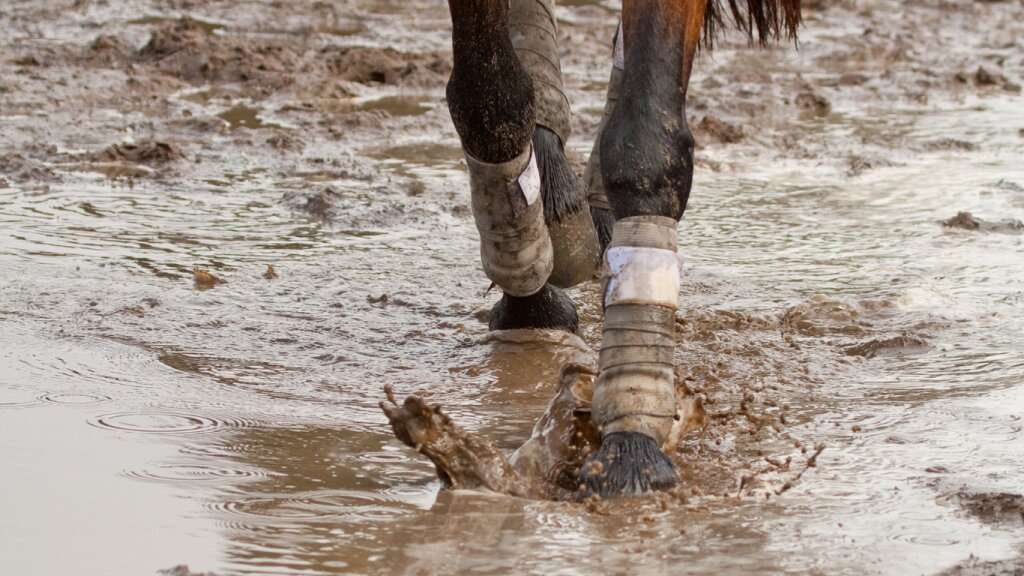
Pooling water or slow drying is a major indicator your arena surface is no longer functioning properly. Over time fine particles break down and clog the base, stopping water from dispersing. This leads to a heavier, unstable ride and accelerates further surface wear.
4. Dust Levels Have Increased
Excess dust in dry conditions means the surface has lost moisture retention and cohesion. This is common in ageing sand or fibre mixes where the smaller particles have degraded. Dust isn’t just unpleasant — it affects horse respiratory health and indicates reduced cushioning.
5. Horses Feel the Difference
Often the first real warning comes from how horses go. Loss of spring, reduced grip, inconsistent push-off or discomfort in work usually points to declining arena performance. When horses struggle to travel freely or confidently, it’s time to consider replacing the arena surface rather than repeatedly topping it up.
Why Replacement Matters
Old surfaces don’t just perform poorly — they increase injury risk, cost more to maintain, and often mask deeper base issues. Replacing a surface with a modern fibre system restores stability, cushioning and year-round usability while significantly extending lifespan.
A fresh surface is an investment in horse welfare, rider confidence and long-term arena performance. If your arena shows several of the signs above, replacement isn’t a luxury — it’s the next logical step.
